




Queer musicians have made significant contributions to music throughout history, despite often facing discrimination, censorship, and social stigma. In many eras, LGBTQ+ identities were hidden or suppressed, making it difficult for artists to be their true selves. Nevertheless, queer musicians have shaped musical traditions, challenged cultural norms, and inspired generations through their creativity and resilience. From nineteenth-century composers such as Pyotr Ilyich Tchaikovsky to modern performers like Chappell Roan, queer artists have left a lasting impact on classical music, jazz, rock, and many other genres.
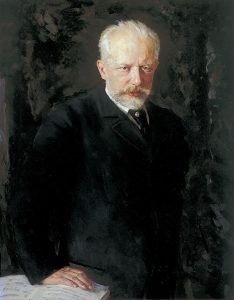
Figure 1: Portrait of Tchaikovsky in 1906 by Nikolai Dmitriyevich Kuznetsov
.jpg)
Pyotr Ilych Tchaikovsky
One of the earliest well-known queer musicians was Russian composer Pyotr Ilyich Tchaikovsky. Living in nineteenth century Russia, Tchaikovsky faced immense pressure to conform to society’s expectations. Historical evidence suggests that he was homosexual, but the social attitudes of his time forced him to conceal his identity. In an attempt to fit societal norms, he married a woman in 1877, a decision that caused him significant emotional distress. Despite these personal struggles, Tchaikovsky composed some of the most beloved works in classical music, including Swan Lake, demonstrating how artistic brilliance can endure even in difficult circumstances.
Billie Holiday
Jazz singer Billie Holiday became one of the most influential voices in American music in the early twentieth century. While Holiday married twice – both times to men – she also had romantic encounters with women. She was known to have been in a relationship with Louise Crane and actress Tallulah Bankhead. However, discussions of Holiday’s bisexuality are often overlooked or erased in popular portrayals of her life. Her experiences reflect the challenges many queer artists faced in gaining recognition for their full identities while navigating a society that often marginalized LGBTQ+ people.
Freddie Mercury
Freddie Mercury was one of the most influential and recognizable musicians of the twentieth century. As the lead singer of the rock band Queen, he captivated audiences with his powerful voice, theatrical stage presence, and innovative songwriting. Although Mercury rarely discussed his bisexuality publicly, he is widely regarded as a queer icon whose life reflected the challenges many LGBTQ+ people faced during his era. At a time when prejudice against queer individuals remained widespread, he pushed the boundaries of self-expression through his music and performances. Mercury’s death from AIDS-related complications in 1991 highlighted the devastating impact of the AIDS crisis on the LGBTQ+ community. Despite these struggles, his legacy endures through timeless songs such as Bohemian Rhapsody and We Are the Champions, demonstrating how queer artists have shaped popular culture while inspiring generations to embrace individuality and authenticity.
Melissa Etheridge
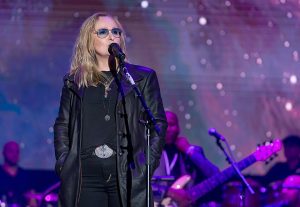
Figure 2: Melissa Etheridge at the Yamaha All-Star Concert at the Winter NAMM Show 2018
.jpg)
Melissa Etheridge became one of the first prominent openly lesbian musicians in American popular music. Rising to fame in the late 1980s and 1990s, Etheridge earned recognition for her powerful vocals, emotional songwriting, and hit songs such as Come to My Window and I’m the Only One. In 1993, she publicly came out as a lesbian, becoming one of the few major mainstream artists at the time to openly discuss her sexual orientation. Her decision to live openly helped increase LGBTQ+ visibility in the music industry and provided representation for many queer listeners who rarely saw themselves reflected in popular culture. Beyond her musical achievements, Etheridge has been an outspoken advocate for LGBTQ+ rights and equality. Her career demonstrates how queer musicians have used both their artistry and public platforms to challenge stereotypes, promote acceptance, and inspire future generations to live authentically.
Chappell Roan
Chappell Roan has emerged as one of the most visible queer voices in twenty-first century popular music. Openly lesbian and known for her bold performances, vibrant aesthetics, and unapologetic celebration of LGBTQ+ identity, Roan has helped bring queer experiences into mainstream pop culture. Songs such as Pink Pony Club and Good Luck, Babe! explore themes of self-discovery, identity, and relationships, while resonating with audiences both within and beyond the LGBTQ+ community. Her success demonstrates how attitudes toward queer artists have evolved, allowing musicians to express their identities openly while inspiring a new generation of listeners.
The stories of Tchaikovsky, Holiday, Mercury, Etheridge, and Roan demonstrate how queer musicians have influenced music across different centuries and genres. Despite living in vastly different cultural contexts, each artist confronted challenges related to identity while making lasting contributions to the musical world. Their achievements remind us that LGBTQ+ people have always been part of musical history, even when their stories were hidden or overlooked. By recognizing and celebrating queer musicians throughout the ages, we gain a more complete understanding of music history and the diverse individuals who helped shape it. Their legacies continue to inspire audiences today and highlight the importance of representation, authenticity, and artistic expression in every generation.
References:
Brown, David. Tchaikovsky: A biographical and Critical Study. Camelot Press, London: 1978
Clarke, Donald. Wishing on the Moon: the Life and Times of Billie Holiday. Blackstone Publishing, 1994
Etheridge, Melissa. Talking to my Angels. 2023.
Richards, Matt, and Mark Langthorne. Somebody to Love: The Life, Death, and Legacy of Freddie Mercury, 2016
Strutte, Wilson. Tchaikovsky: His Life and Times, Midas Books: Great Britain, 1979